Understanding horse transport by plane: how it works and its safety thousands of meters in the air
The first time it is suggested to an owner that their horse must fly to another continent, the most natural reaction is disbelief, quickly followed by a deep knot in the stomach. If loading our companion into a truck to roll down the highway already gives us anxiety, the idea of putting a 500-kilo animal in a plane, taking off from the ground, and soaring through the skies for hours seems, quite simply, like science fiction. We imagine the roar of the engines, the pressure in the ears, and the turbulence, and we fear that our animal will go into an uncontrollable panic.
However, the world of international equine logistics is one of the most sophisticated and perfected areas on the planet. Olympic horses, racing thoroughbreds, and beloved trail companions cross the Atlantic every week with a level of comfort that many human passengers would envy. Far from being a traumatic experience, the flight is meticulously designed to cushion stress and keep the horse in a state of astonishing tranquility.
Ignorance is the main fuel for fear. That is why today I want to sit down with you to explain this incredible journey step by step. We are going to open the hangar doors and delve into the cargo hold so that, if your companion ever has to cross the ocean, you have the absolute certainty that they are in the most capable hands in the world.
Preparation before horse transport by plane: how quarantine and boarding work
The journey to the sky begins long before seeing the runway. International biosecurity is relentless (similar to how to transport horses internationally step by step by road), and when we talk about different continents, health regulations are the first major filter. When analyzing horse transport by plane, how health preparation works is the non-negotiable starting point.
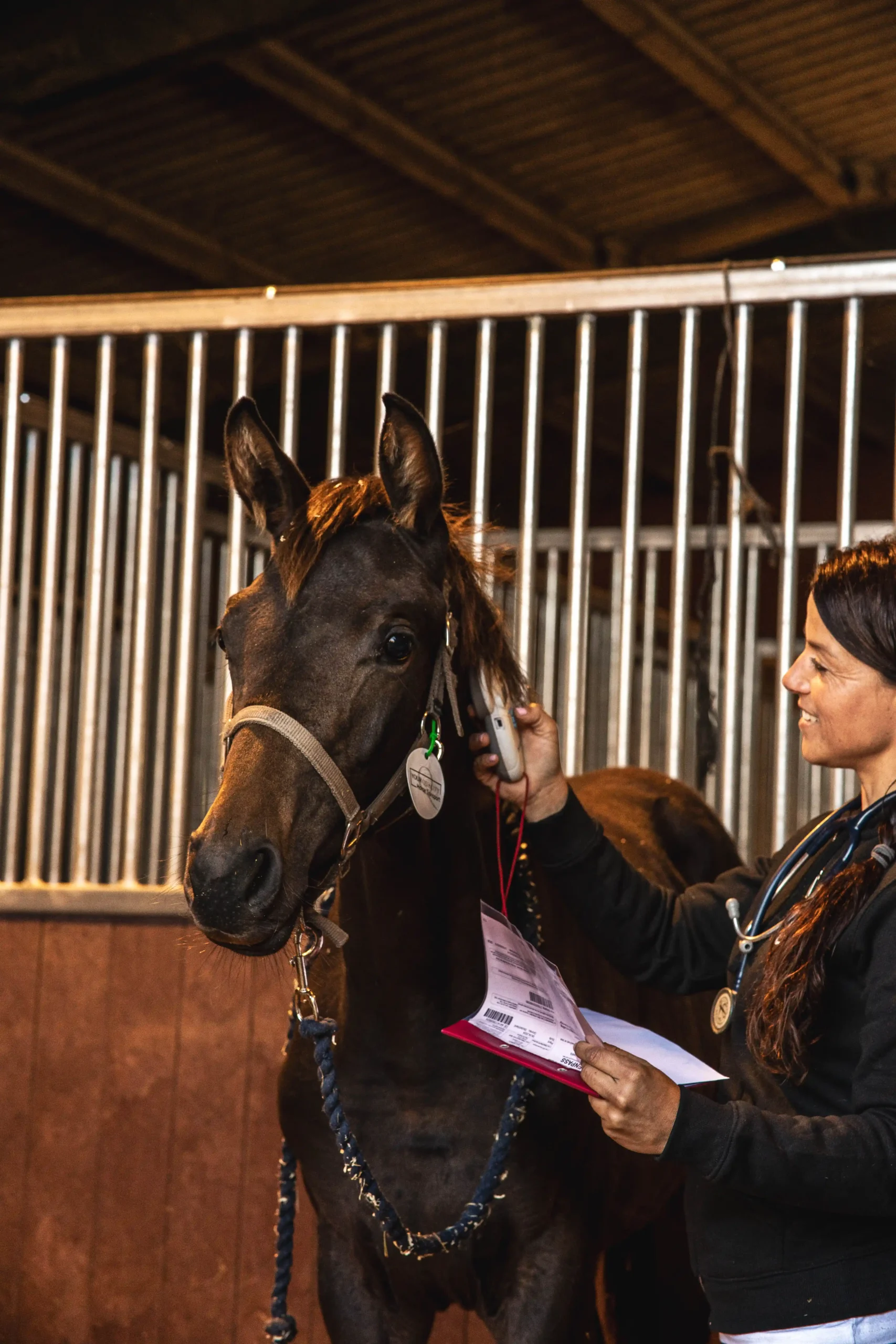
Your horse will have to undergo a strict quarantine period (which can vary from weeks to months) in facilities approved by the government of the destination country. During this time, veterinary teams monitor their health, perform blood draws to rule out exotic diseases, and ensure that their immune system is strong. An expert document management team will take charge of coordinating this bureaucratic labyrinth, ensuring that when the horse arrives at the airport, its health record is flawless. Obviously, all this impacts the cost of international horse transport, but it is vital for their legal safety and that of the destination country.
Once at the airport’s cargo terminal, the boarding process shatters all myths. Horses do not walk down narrow aisles inside the plane. They use what are known as “Air Stables” or “Jet Stalls”, built strictly following the Live Animals Regulations of the International Air Transport Association (IATA). These are highly technological metal containers, designed specifically for equine comfort, with non-slip rubber floors and padded walls. Your horse boards this air stable while still on solid ground, in a calm and silent environment. Once inside, relaxed and with its hay net, the entire container is lifted with immense smoothness by hydraulic platforms and silently slid into the interior of the plane.
In the air during horse transport by plane: how welfare at altitude works
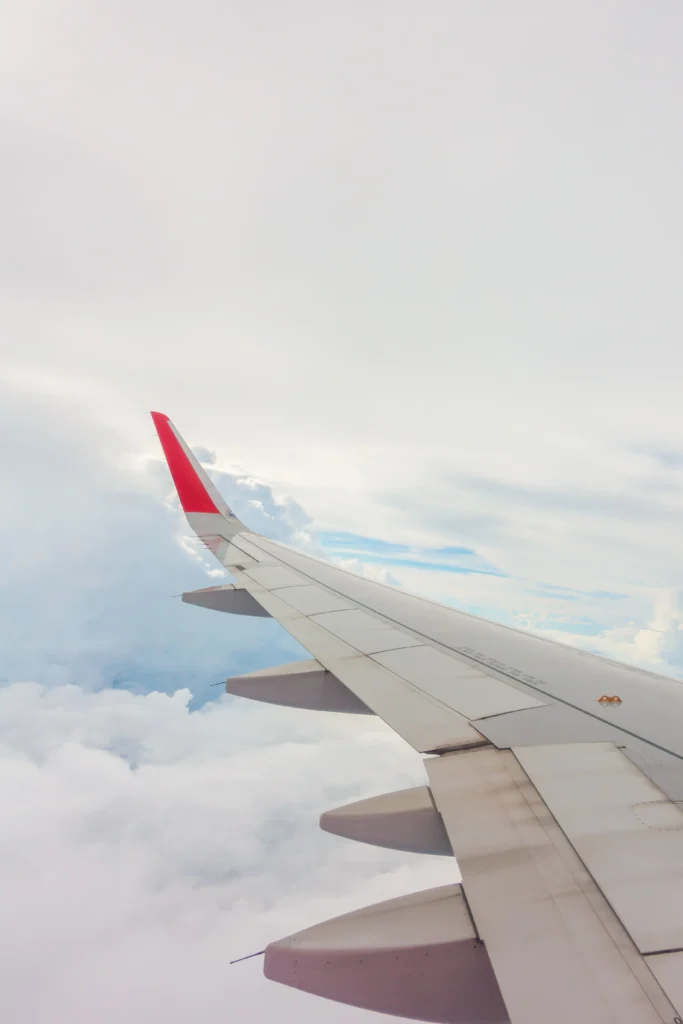
The moment of takeoff is, understandably, what scares us the most as owners. We wonder how they will react to the acceleration and the incline. But the reality when evaluating horse transport by plane, how the flight itself works is fascinating: cargo planes ascend and descend at extremely gentle bank angles, much more conservative than commercial passenger planes, precisely so as not to alter the animals’ balance.
Once cruising altitude is reached, the cargo hold of the plane becomes a biocontrolled environment. The lighting is dimmed to mimic the sunset, encouraging relaxation and the natural sleepiness of the horses. The cabin pressure and temperature are meticulously adjusted to recreate a cool and highly oxygenated climate, preventing the horses from sweating or suffering heatstroke. In fact, the smoothness of the flight is such that the horses do not even perceive that they are flying; they feel a slight constant vibration that often lulls them to sleep.
But the crown jewel in aviation safety is the human factor: the Flying Grooms (professional flight attendants for horses). These experts travel in the same cargo hold, just a few centimeters from the air stables. Their sole mission during the hours of flight is to watch over your horse. They know that a horse in the air must stay very hydrated to avoid colic due to changes in atmospheric pressure, so they continuously offer them water. They replenish their hay, stroke their foreheads, observe their body language, and intervene with their voice and calming presence at the slightest sign of turbulence. They are never alone.
Landing and acclimatization to their new world
The descent is equally gradual. Once the plane touches down, horses are usually the first to disembark. Hydraulic platforms lower the air stables to the tarmac and, from there, the horses are transferred to the airport’s animal reception areas.
Depending on the country, the horse may need to spend a brief period of acclimatization in customs facilities similar to high-security logistics stables before being released to its owner. It is vital to understand that the horse will be disoriented by the time change (horses also suffer from jet lag) and by the change in flora, climate, and smells. The days following the flight must be of absolute rest in the pasture, hand-led walks, and deep hydration, without demanding any physical effort from them.
Sending your companion through the air is one of the greatest possible logistical feats, but thanks to the combination of aerospace technology and the deep love of the flight caretakers, your horse will cross the world supported by the highest imaginable safety.
Frequently Asked Questions (FAQ) about horses flying
Is it necessary to sedate my horse so it can travel by plane?
Absolutely not. In fact, international regulations strictly prohibit flying heavily sedated horses. In the air, a horse needs to have 100% of its balance capacity and motor response to absorb any movement of the plane. Sedation nullifies this instinct and drastically raises the risk of collapse, so calmness is achieved through the expert handling of the grooms, not with chemistry.
Do they travel alone in the air stable or are they accompanied by other horses?
“Air Stables” are modular. They can be configured to carry a single horse (VIP trip with maximum spaciousness), two horses, or up to three horses (the most standard option). Horses are herd animals and, in the vast majority of cases, they travel much more relaxed when they feel and smell other horses next to them during the flight, separated by secure partitions.
What happens if the plane goes through an area of severe turbulence?
Pilots of cargo planes transporting live animals have strict protocols to route around storms and seek the most stable altitudes possible. However, if unavoidable turbulence occurs, the container in which the horses travel is narrow by design, acting as a protective embrace that prevents the horse from falling or flipping. The flying grooms make sure to stay close, talking to them to keep them centered until calm returns.